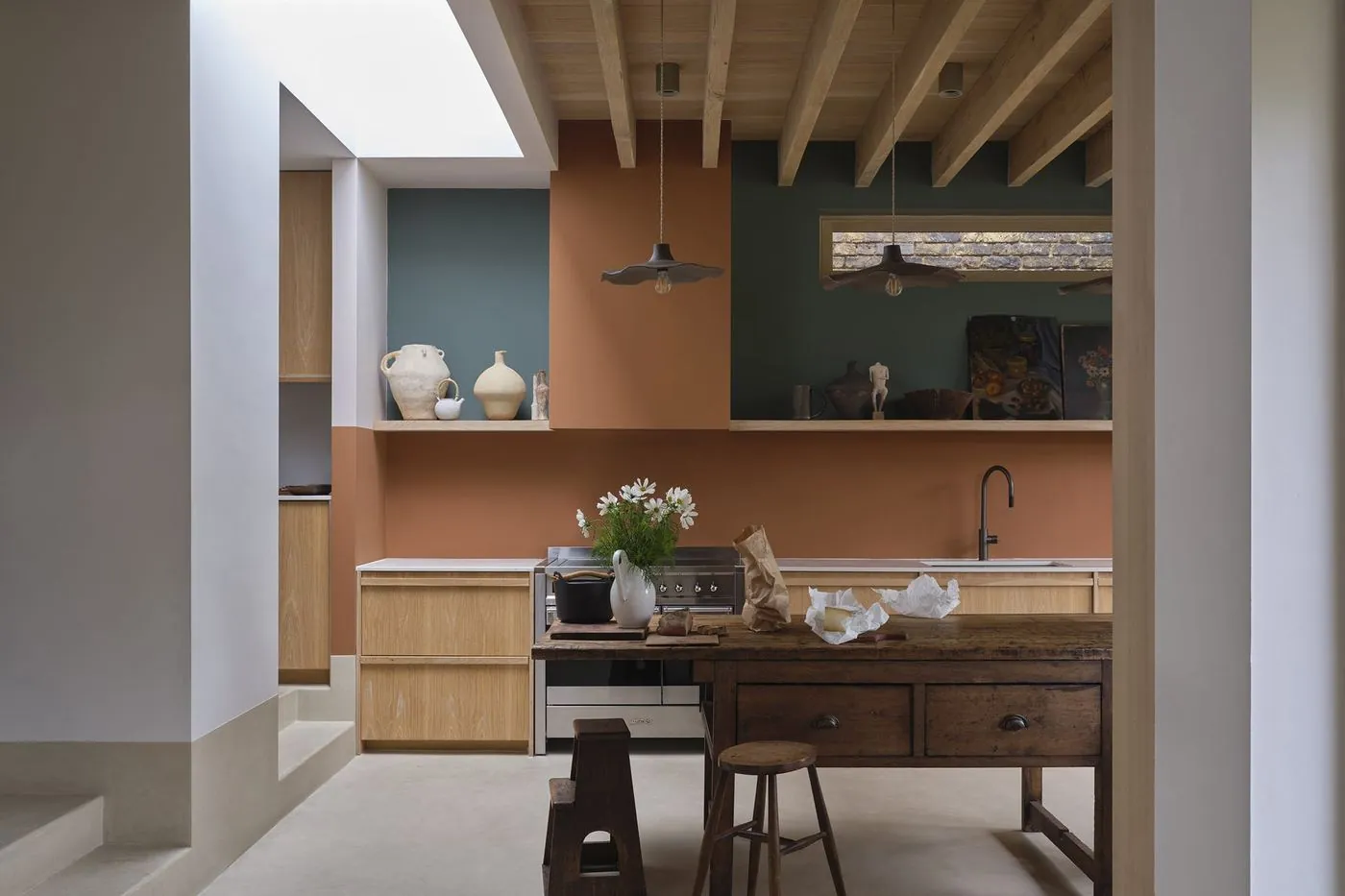
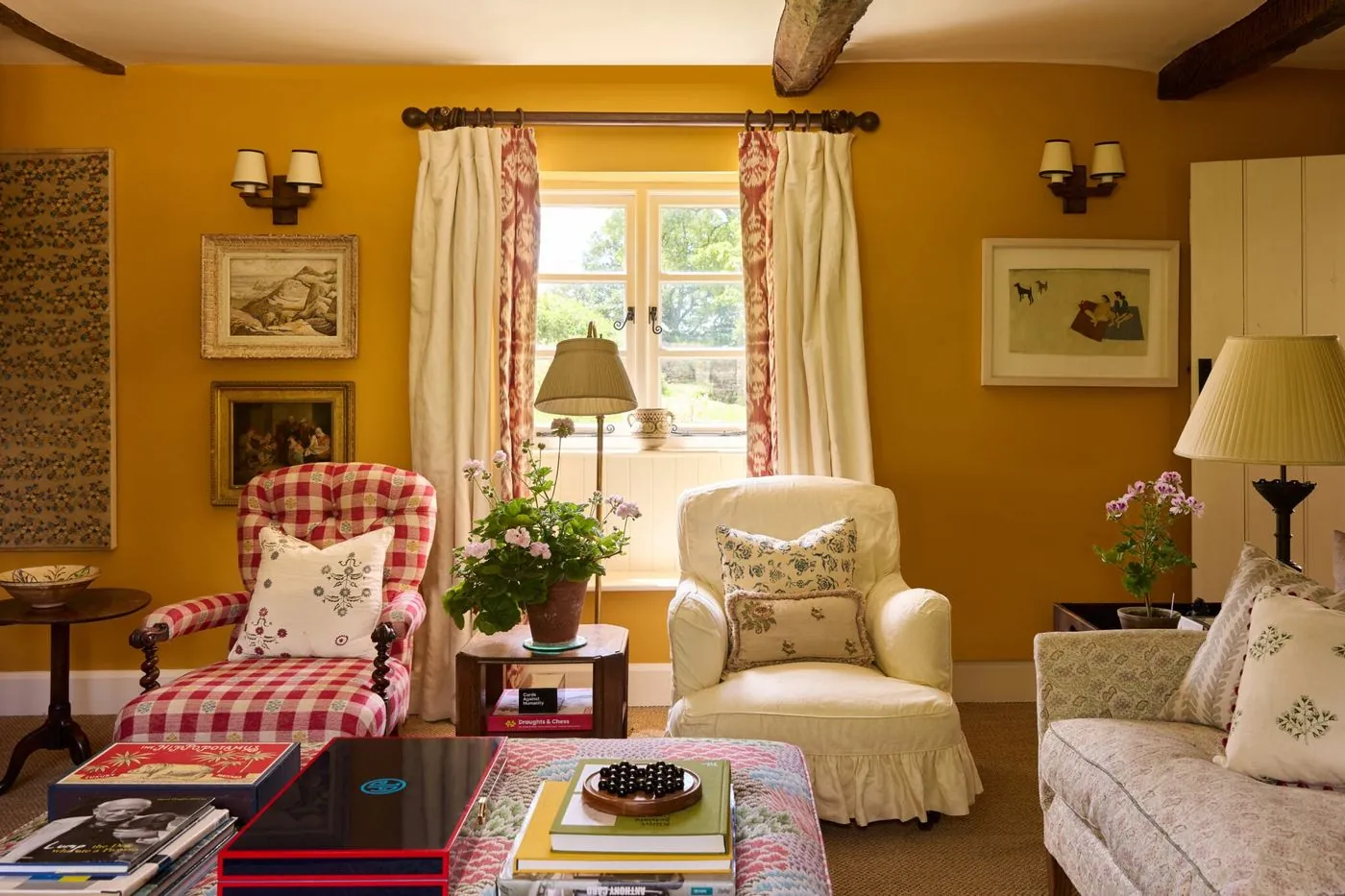
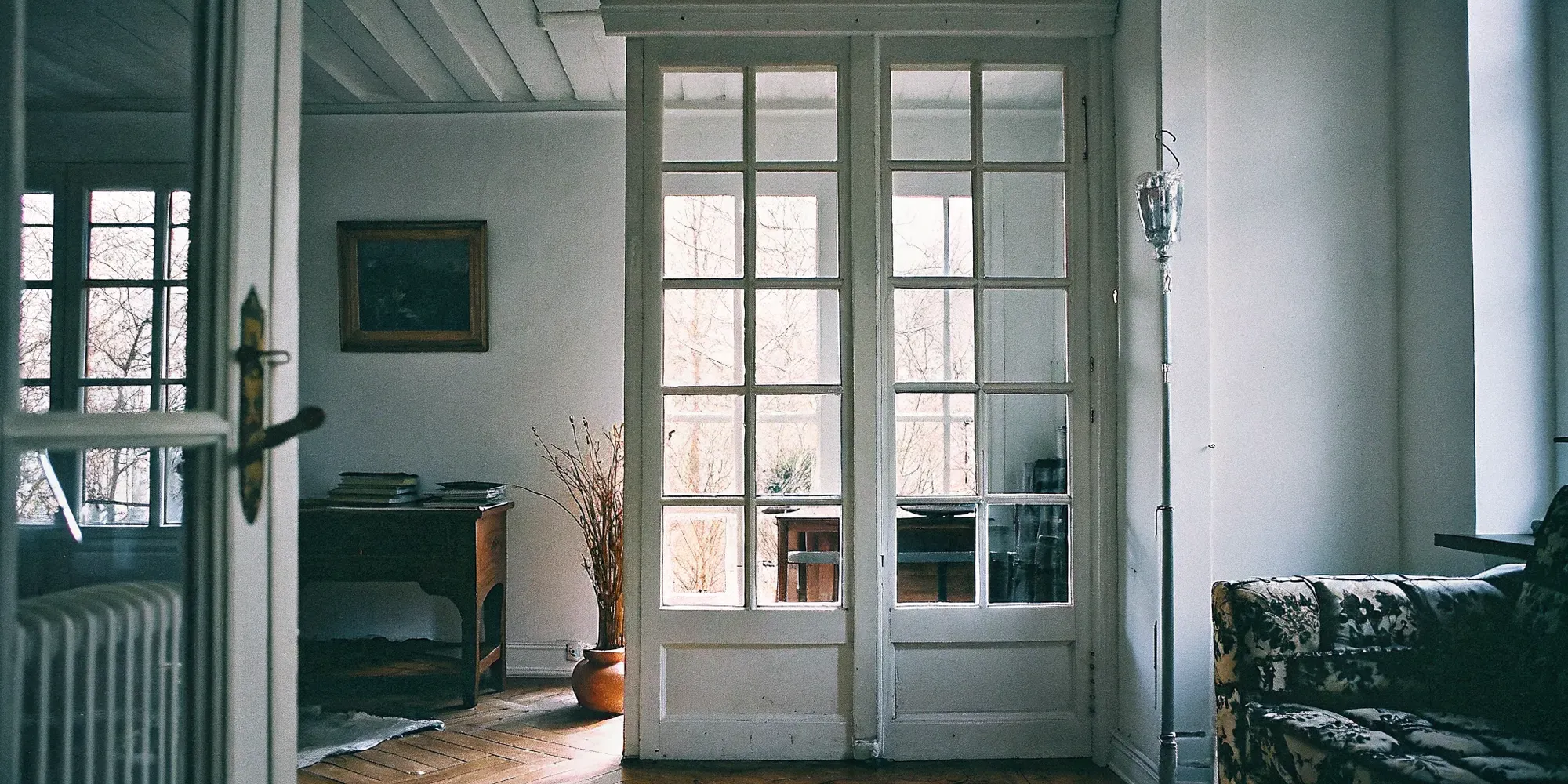
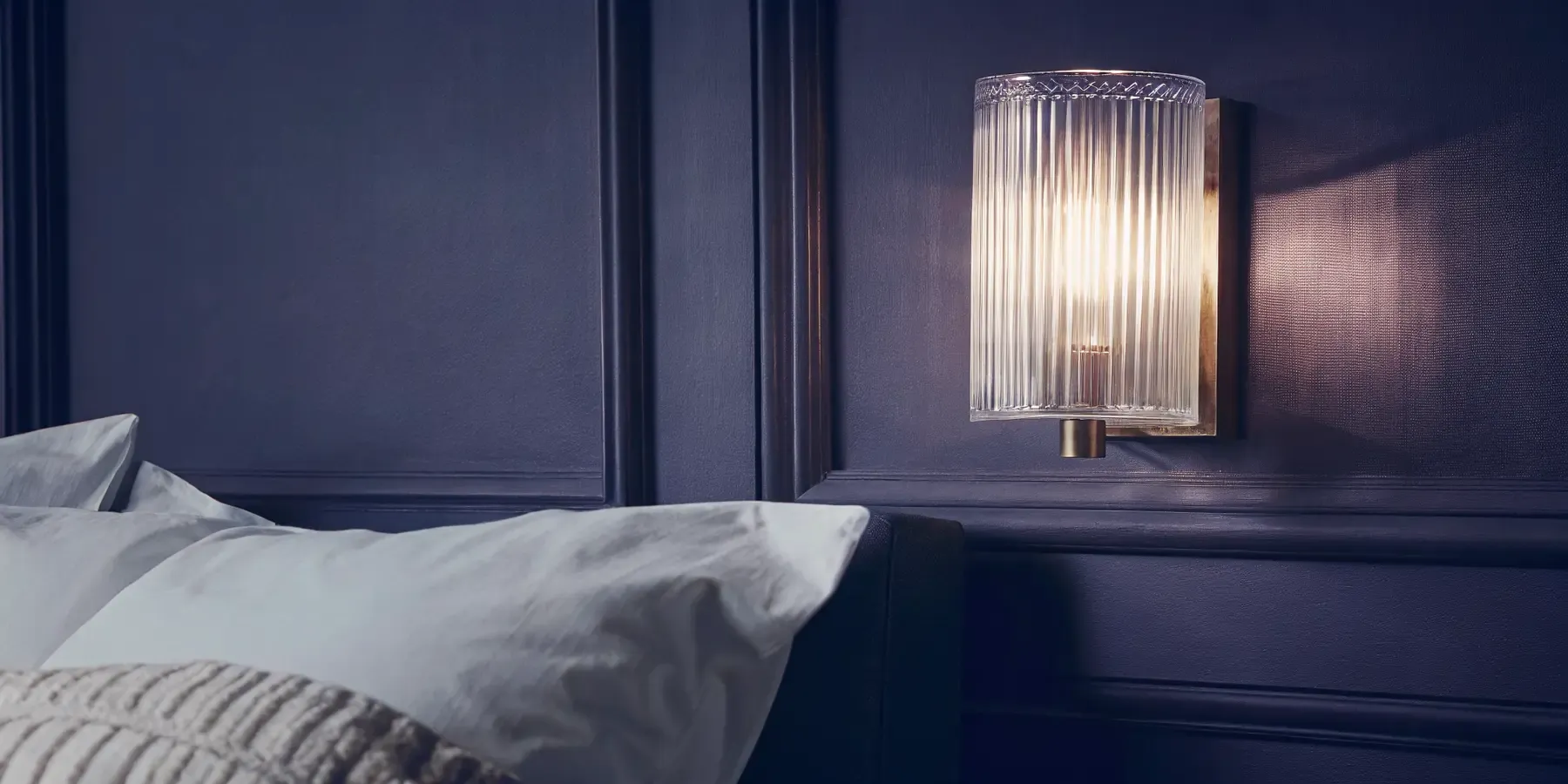
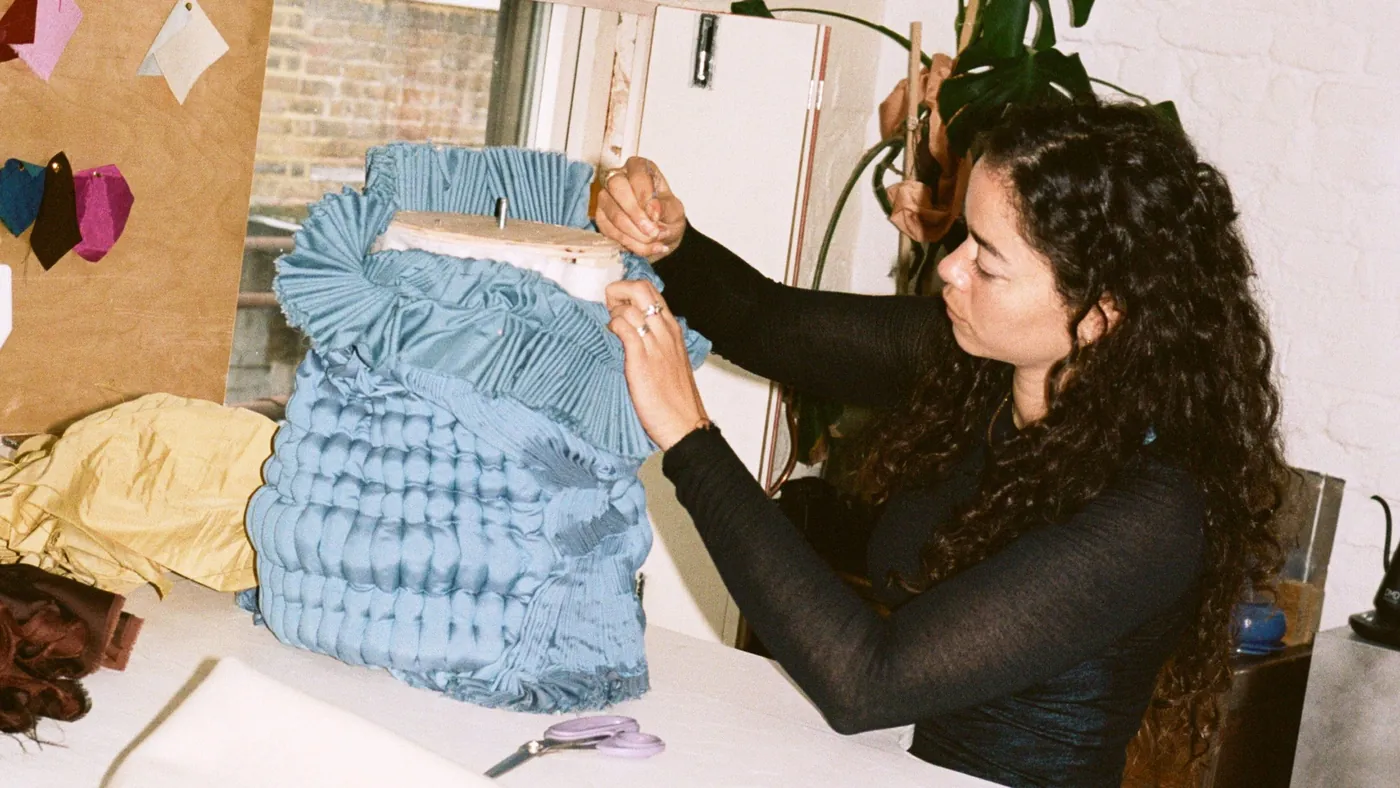
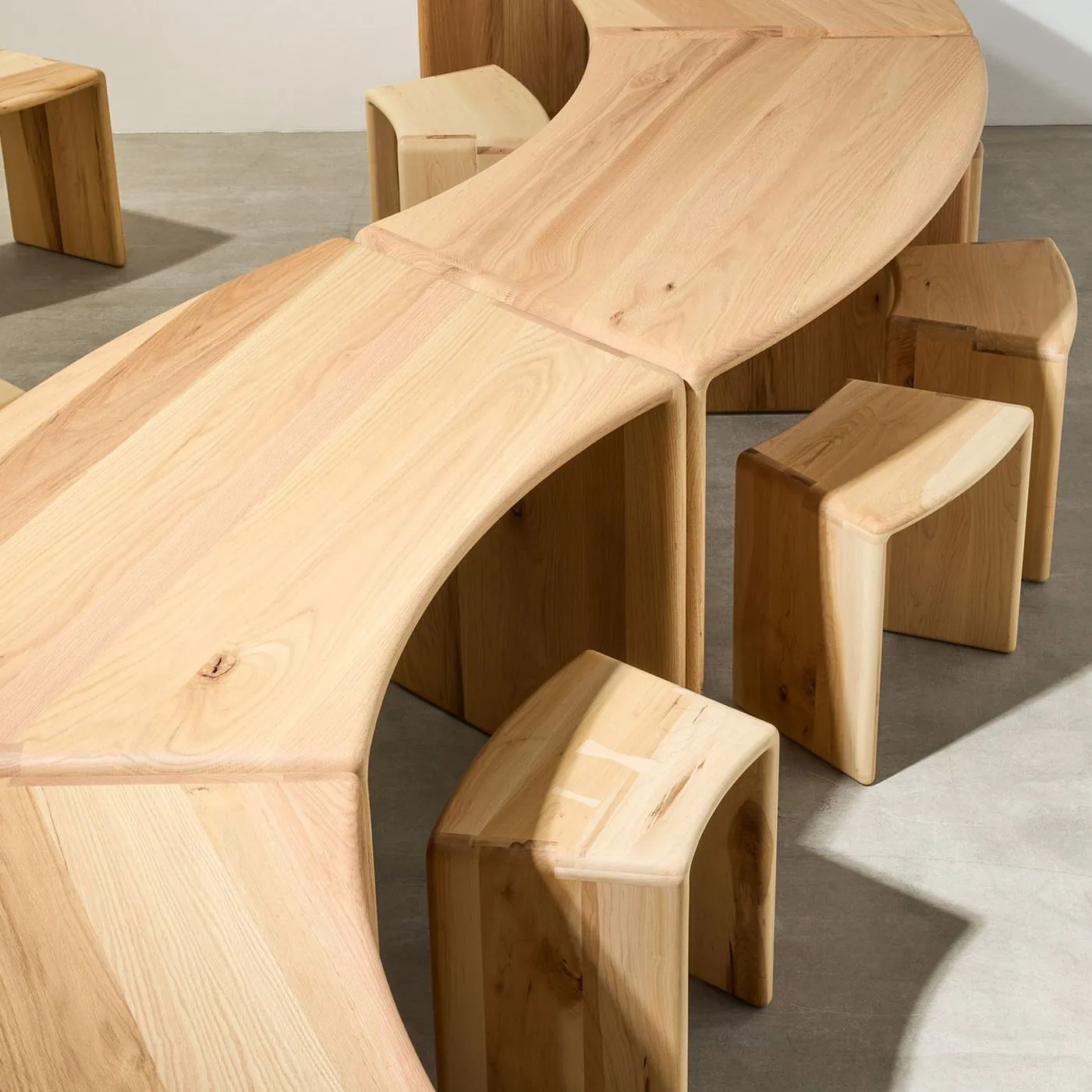
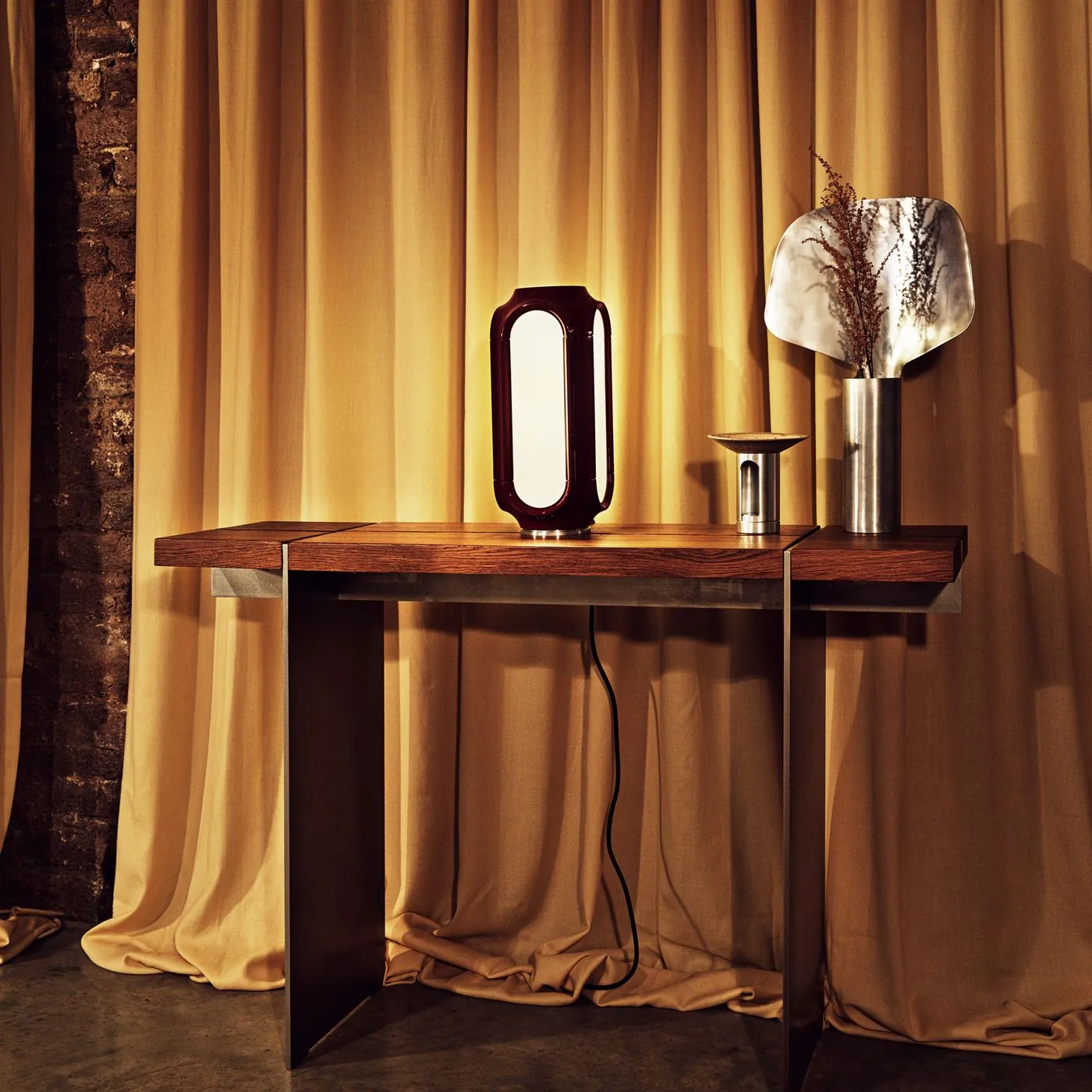
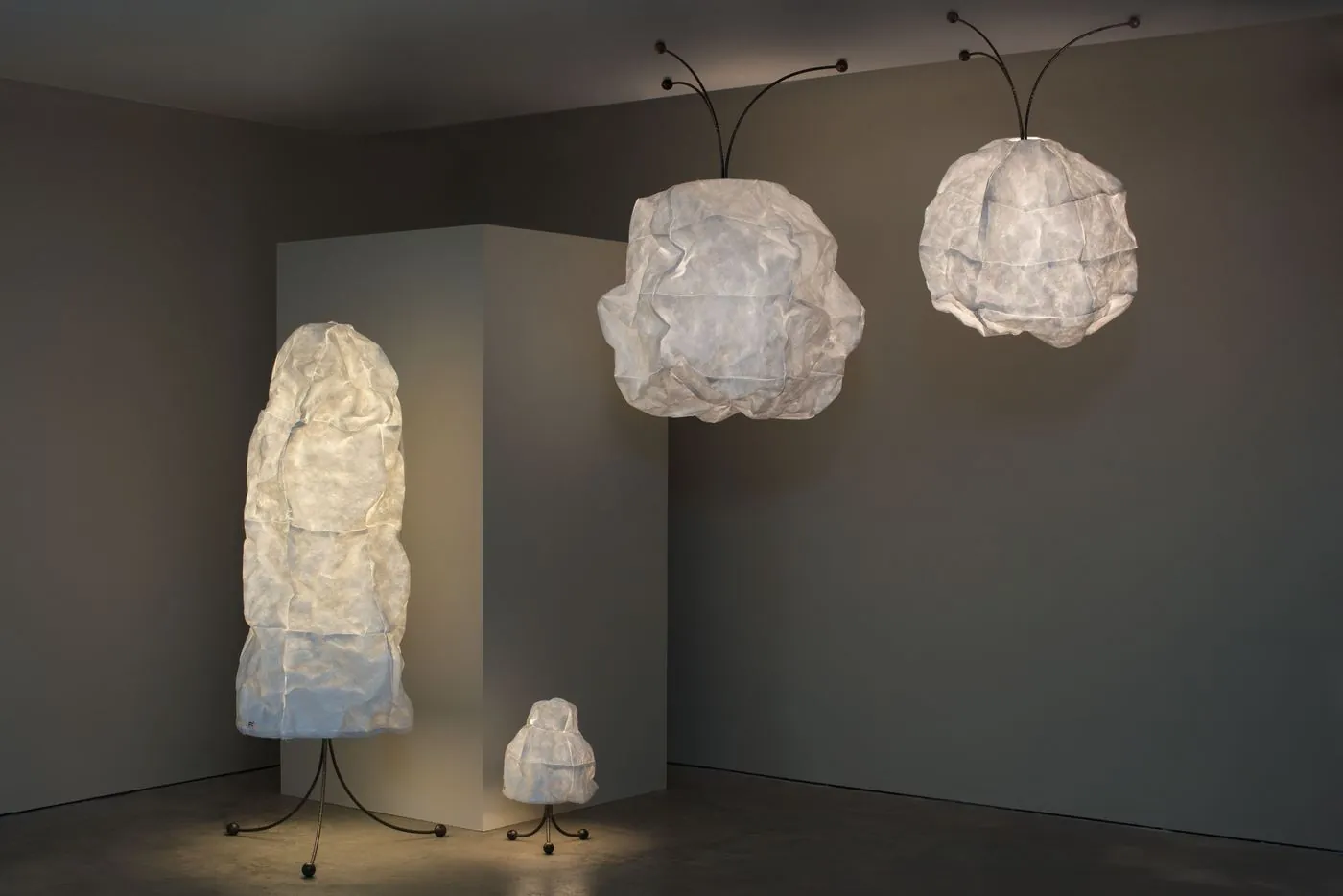
Seven London Design Festival pieces are built from what the workshop usually throws away, image via Dezeen
Issue No. 12 · 21 September 2026

THE
EDIT

The design world this week: real makers, real collections, real conversations, and the people worth knowing. Curated daily, released weekly, everything sourced.

Andile Dyalvane, CeramicsSouthern Guild · Imiso Ceramics
Designer of the Week

Andile Dyalvane

Ceramics · Cape Town, South Africa

His solo show iNgqweji ran at Southern Guild Cape Town from November 2025, the same year he won at South Africa's National Arts and Culture Awards.

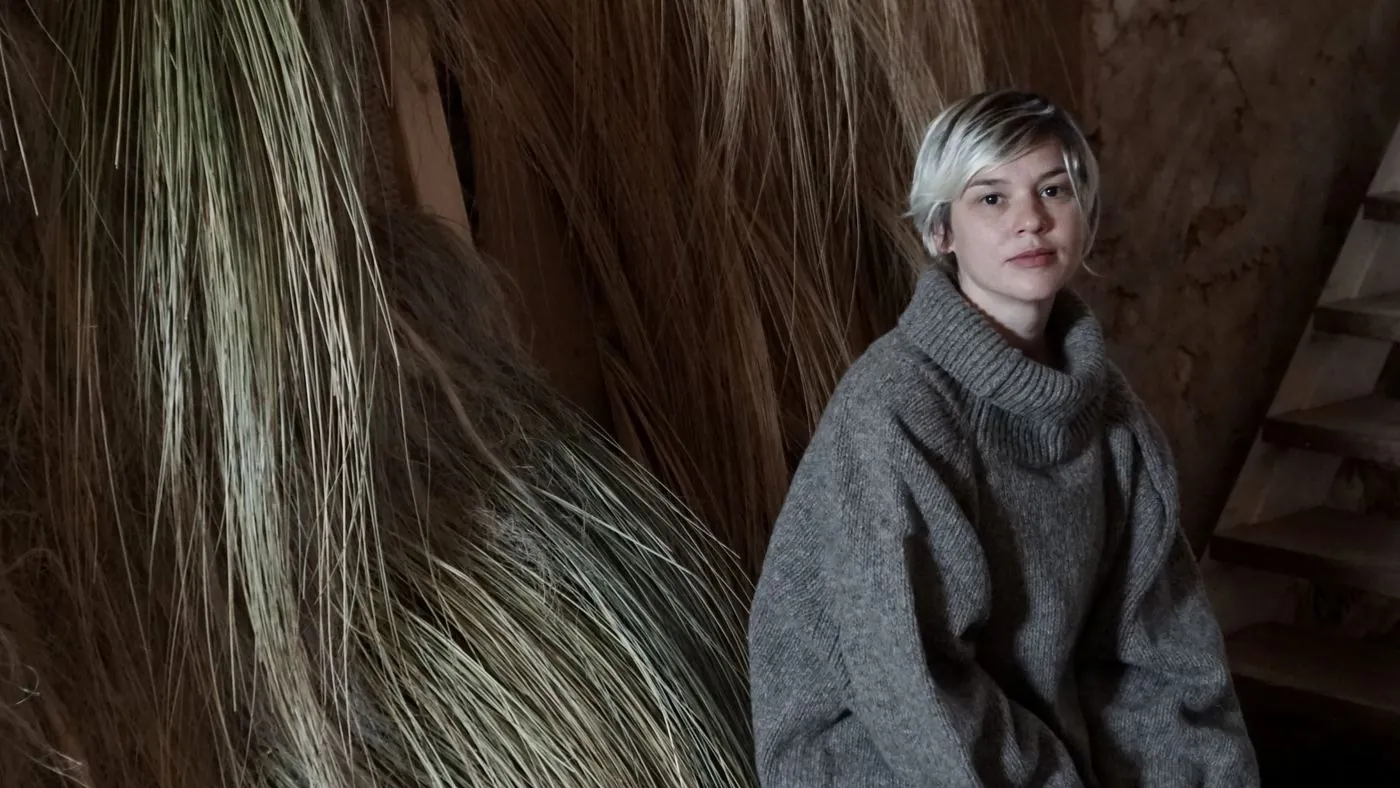
Andile Dyalvane treats clay as an ancestral language. Raised herding cattle in the Eastern Cape village of Ngobozana, he scores his large vessel forms with marks drawn from Xhosa tradition, turning pots into carriers of memory and healing. His work now lives in the Metropolitan Museum of Art and the Vitra Design Museum, yet it never loses its connection to the soil it came from.

Fired ClayUmhlaba EarthAsh GlazeNgobozana SoilBone Slip

A weekly edit of what the design world is making and saying, and the people making it worldwide. Every image links to its source; every palette is our reading of the piece.

This week, in three

What caught our eye

Chapter I · FabricClothThe fabric housesRead the chapter
De Le Cuona reaches for faded European grandeur with Rugged Revival, image via de Le Cuonade Le Cuona
Fabric · September 2026

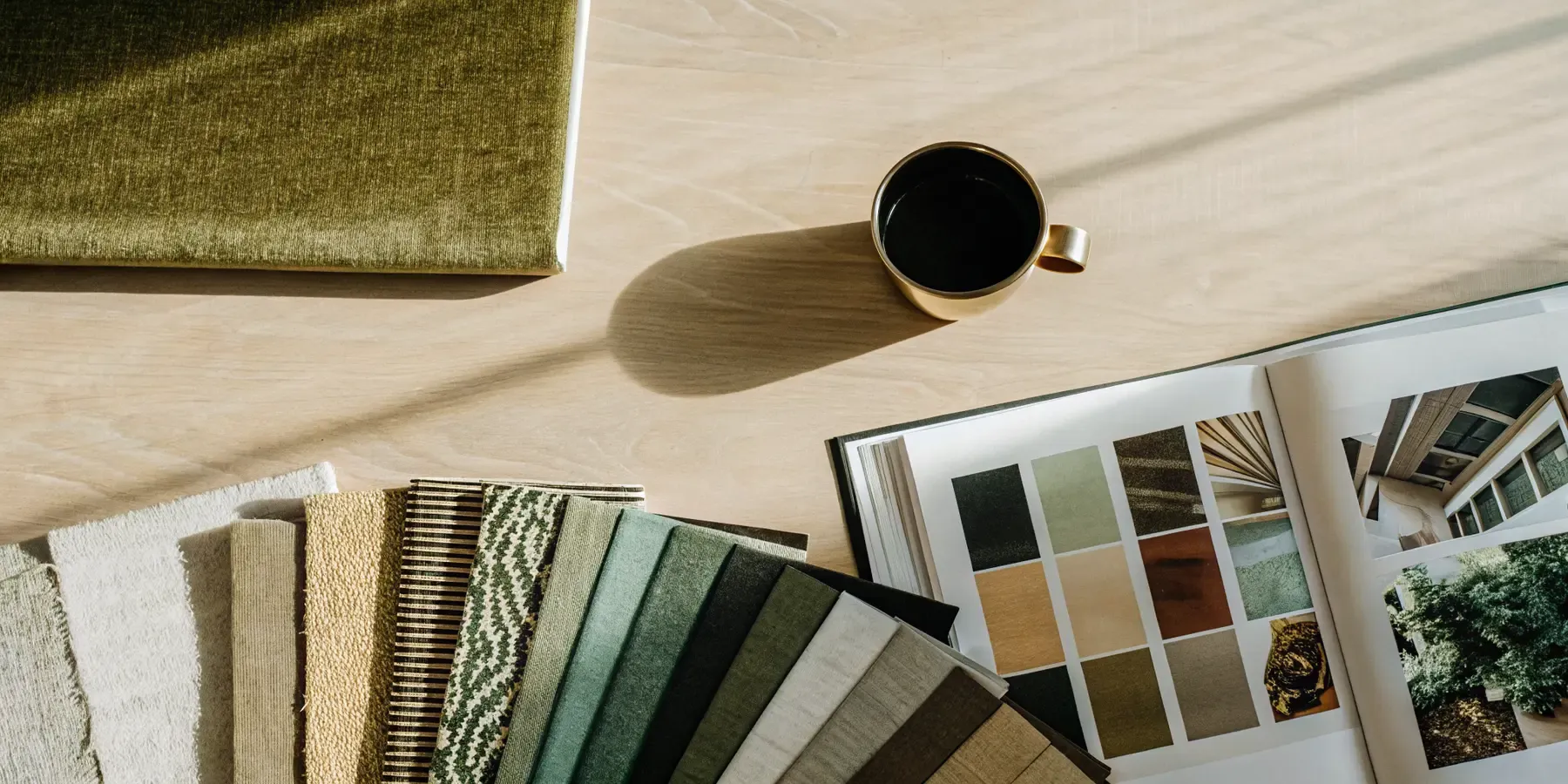
De Le Cuona reaches for faded European grandeur with Rugged Revival

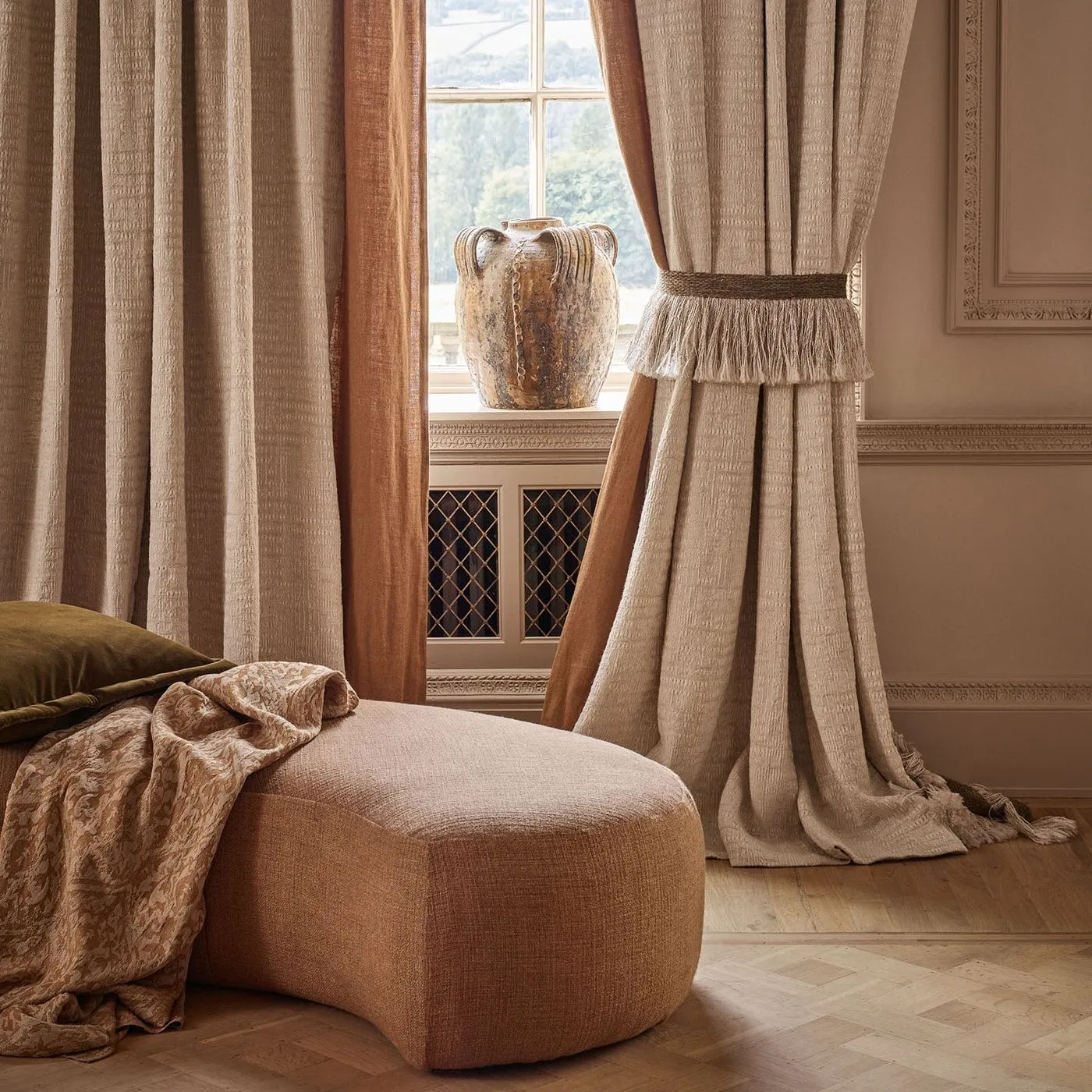
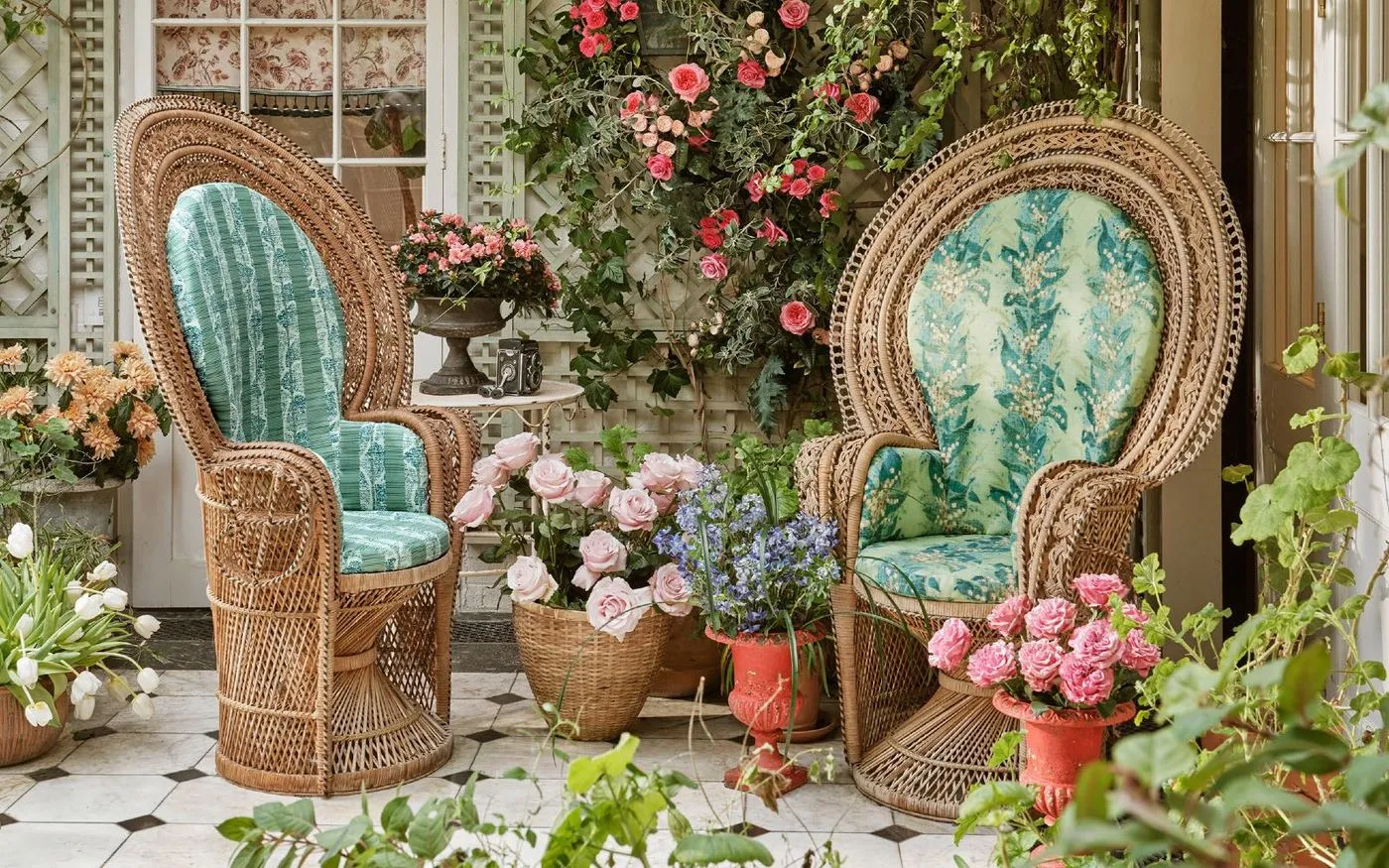
Rugged Revival is de Le Cuona's newest fabric collection for the American market, eight heirloom-quality textiles across the brand's Curtaining, Sheer and Upholstery weights, built from wool, linen and hemp into richly textured jacquards, cotton velvets and embroidered sheers in a faded, European-grandeur palette running from bleached chalk through burnt umber to a deep vineyard wine. The line worth carrying into a client conversation is the brand's own one, refined beauty meeting the bold character of a room that actually gets lived in, which makes this the specification for a brief that wants heritage weight without the stiffness of a period reproduction, and a collection wide enough to dress a whole room from a single story rather than piece by matched piece.

Titian ChalkBurnt UmberChateau VineyardPalazzo SandstoneTitian Indigo
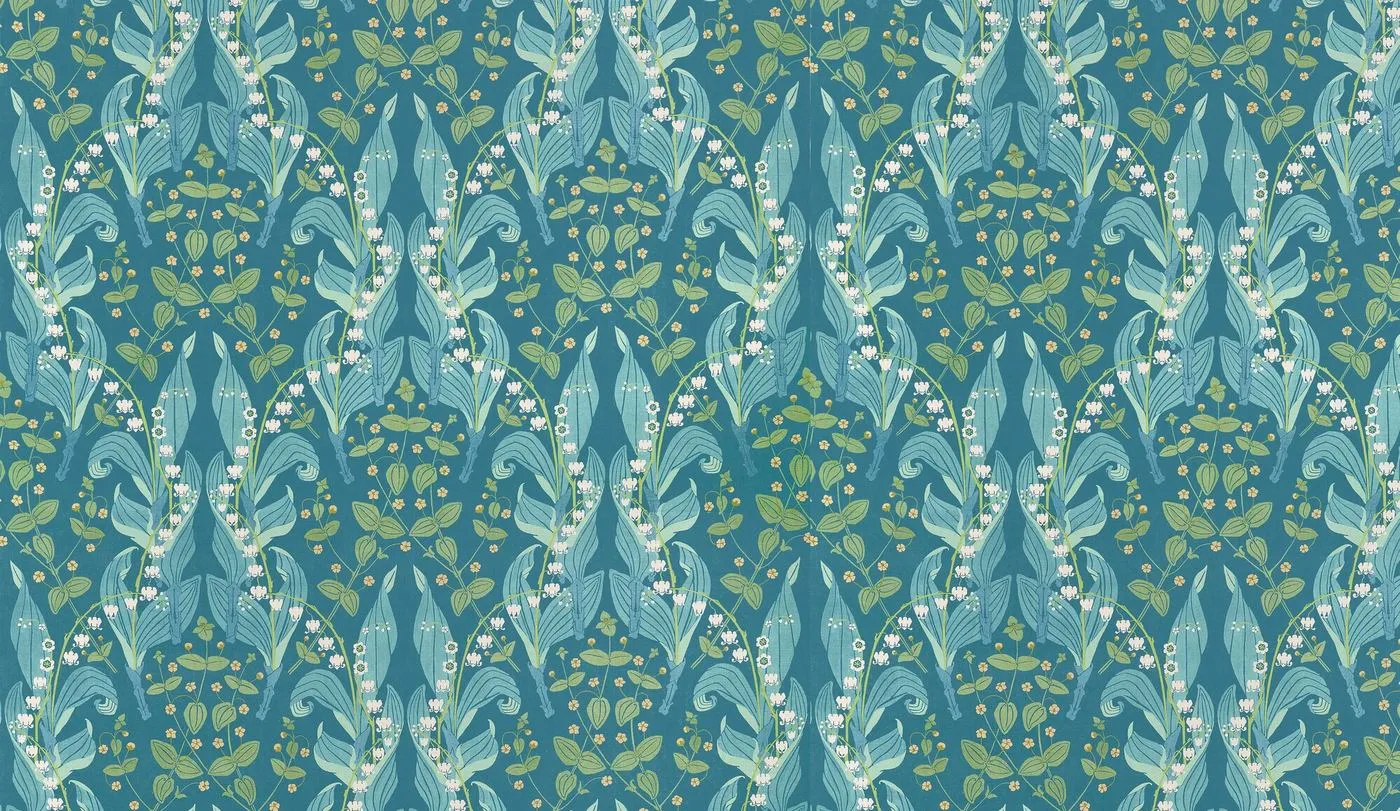
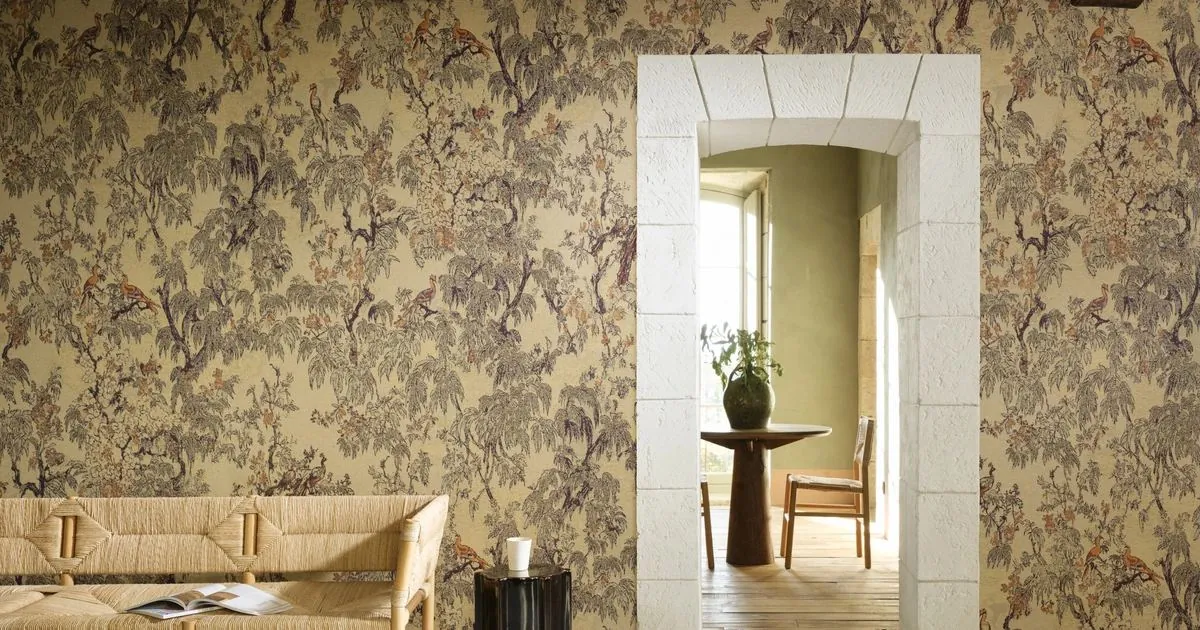
Thibaut pulls the Arts and Crafts botanical off the museum shelf in Fairhaven, image via ThibautThibaut Fabric

Thibaut pulls the Arts and Crafts botanical off the museum shelf in Fairhaven

Fairhaven is one of the two collections Thibaut leads its Fall 2026 launch with, a fabric and wallcovering range that reaches back to the late 1800s Arts and Crafts movement and reworks period botanical artworks at large scale in fresh, lifted colour so the patterns read as transitional rather than strictly heritage.

Chapter II · WallpaperWallsPaper and patternRead the chapter
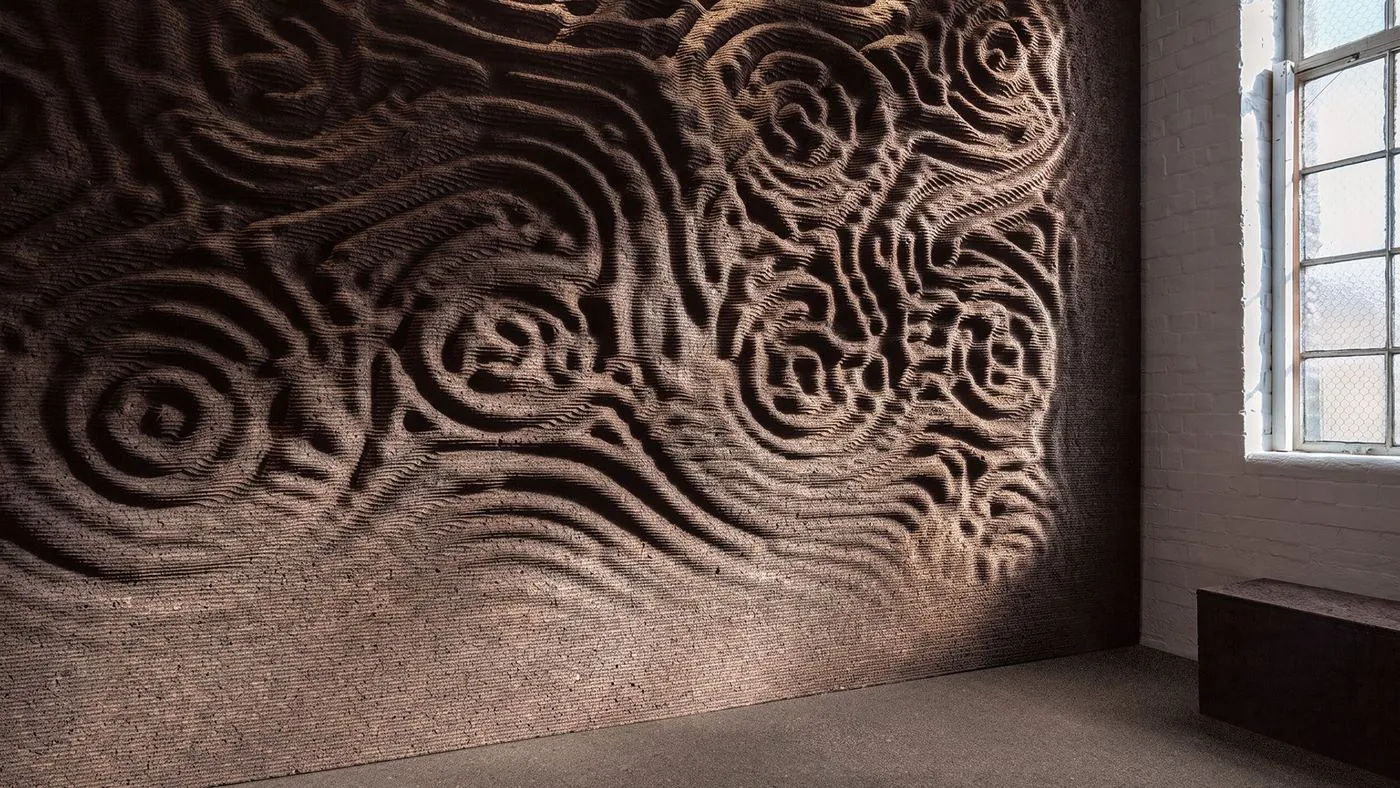
GenCork lets an algorithm cut the relief into a black cork wall, image via DezeenDezeen
Wallpaper · September 2026

GenCork lets an algorithm cut the relief into a black cork wall

This is a wall covering in cork rather than paper. The Portuguese brand GenCork's CorkVector Panel is expanded black cork, CNC milled into a three dimensional relief whose pattern is generated by the Corkvectors algorithm written by creative director Le Brimet, so the repeat can be recomputed to the dimensions of the actual wall instead of being cut to fit, and it comes as 1000 by 500 by 100 millimetre boards in a single dark brown. The material is the quiet argument for it: owner and producer Sofalca makes the expanded black cork in a zero waste process where steam from waste biomass bonds the granules with the cork's own resin, no added binder, and the bark is harvested without felling the tree, which also gives the panel its darker, earthier colour and its thermal and acoustic insulation. The reason a working designer opens this is that it solves two briefs with one line on the schedule, because a room that needs a feature wall and also needs its echo killed, a media room, a home office on a hard floor, a stairwell, usually gets a decorative surface and a separate acoustic treatment hidden behind it; ask for the pattern to be run against your own elevation early, since the customisation is the product and a generic tile of it is not.

Expanded Black CorkMilled ReliefCork DustQuarry LimeBark Shadow
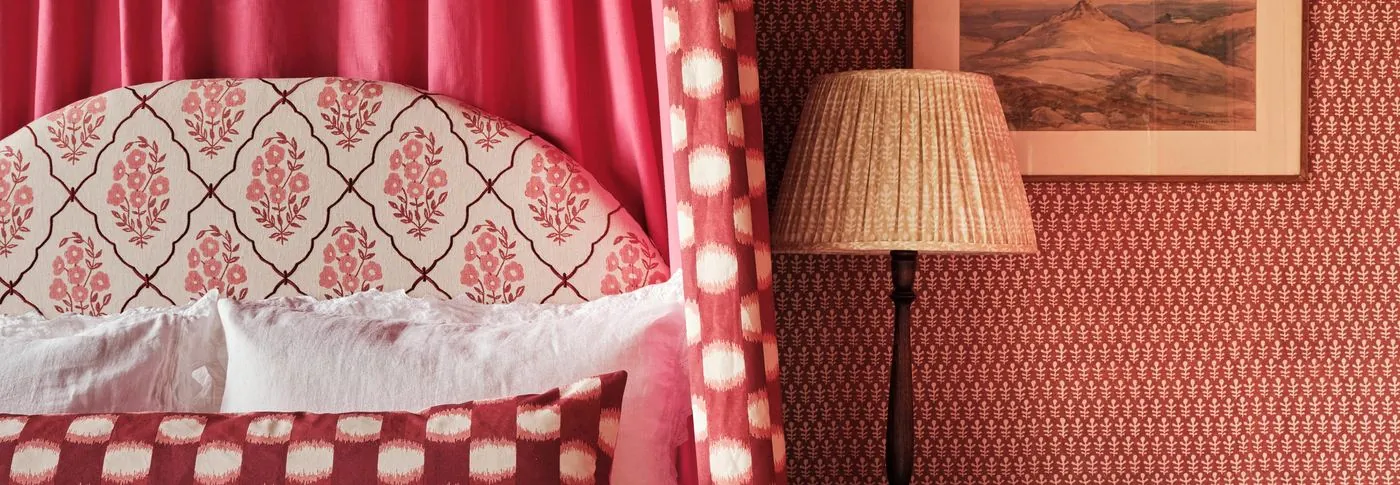
Molly Mahon marks ten years of block printing with Wanderlust, four old friends and two new prints, image via Molly MahonMolly Mahon Wallpaper

Molly Mahon marks ten years of block printing with Wanderlust, four old friends and two new prints

Wanderlust is the collection Molly Mahon has released to mark A Decade in Print, ten years since she stood at her kitchen table with a single carved block and a pot of ink, and it brings four of her most loved designs, Bagru, Poppy, Marwari and Luna, back in fresh earthy colourways alongside two new prints, Ophelia, a stripe interrupted by horizontal bands of textured ovals in Burgundy and Damson on a linen, cotton and nylon cloth, and Audrey, a trellis of floral clusters that is block printed and then embroidered, in Burgundy, Gold and Damson.

This is a wall covering in cork rather than paper.

Chapter III · ColourColourOn the paint card
Farrow and Ball add nine colours and bring three back from the Archive, Etruscan Red among them, image via Farrow & BallFarrow & Ball
Colour · September 2026

Farrow and Ball add nine colours and bring three back from the Archive, Etruscan Red among them

Farrow and Ball's New Colours collection is nine new shades numbered 311 to 319, Scallop, Dibber, Reduced Green, Sizing, Naperon, Marmelo, Kakelugn, Douter and Duster, plus three colours reinstated from the Archive for the first time alongside a new release, Etruscan Red No. 56, Broccoli Brown No. 198 and Sap Green No. 199, twelve in all, handcrafted in Dorset and pitched by the brand as grounded colours that celebrate the extraordinary ordinary. The brand's own filters tell you the shape of the range faster than the names do, four browns, four greens, four neutrals, three reds, two pinks, two blues, two oranges, one yellow, one grey and one white, with five of the twelve in the dark tone group, so this is a launch weighted to the muddy, tertiary end of the card rather than to clean brights, and the alt text on Scallop describes a chalky blush-beige with pink, shell and stone undertones while Sizing reads as a pale powder blue-grey. The reason a working designer opens this today is the Archive returns, because Etruscan Red, Broccoli Brown and Sap Green have sat in the Archive rather than on the card, and having them back on the standard card in every finish, including exterior eggshell and masonry, means a scheme that leaned on one of them for a front door, a library or a boot room no longer needs the caveat about lead times, and the nine new shades sit so close to the existing neutrals and greens that the useful move is to order the free colour card and lay the new chips against Bone, Card Room Green and Setting Plaster before promising a client anything.

Scallop No. 311Sizing No. 314Etruscan Red No. 56Sap Green No. 199Broccoli Brown No. 198
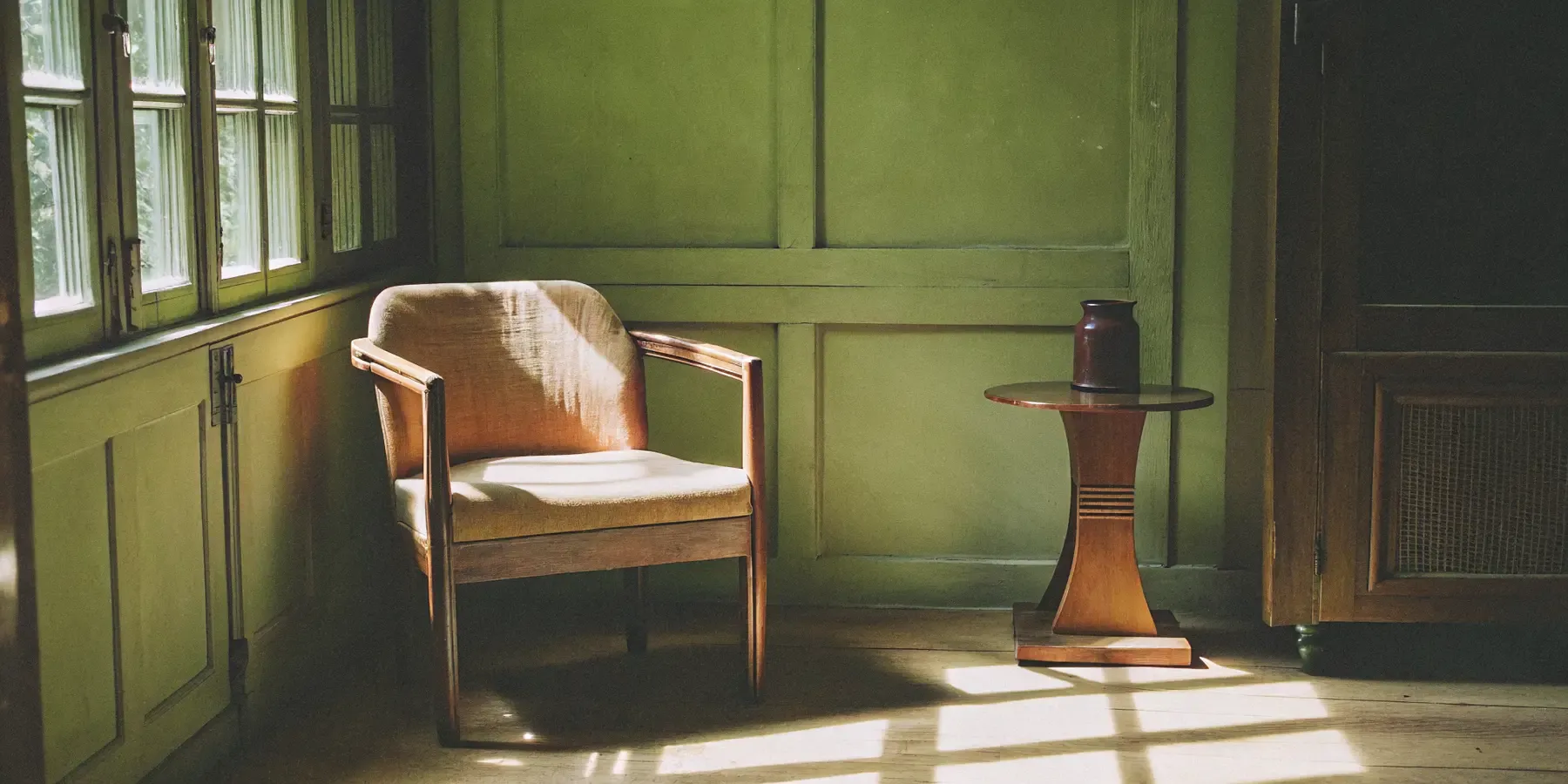
Octavia Dickinson and Edward Bulmer plant three new natural paints in an English Garden Palette, image via Edward Bulmer Natural PaintEdward Bulmer Natural Paint Colour

Octavia Dickinson and Edward Bulmer plant three new natural paints in an English Garden Palette

The English Garden Palette, published on Edward Bulmer's own journal on 18 September, is a collaboration with the interior designer Octavia Dickinson that adds three colours to the natural paint range, Hedge Mustard, an ochre yellow with orange and brown in it, Dahlia Pink, a pink built on an orangey, browny red base, and Rambling Rose, the palest of the three, which Dickinson describes as a very light purple washed over a light pink, and sets them beside nine existing shades, Blue John, Burlington, Hawtrey, Fine Green, Olympian Green, Celadon, Creami Colour, George and Cyanotype, to make a twelve-colour palette designed to be used together, inside and out, and to sit behind paintings, antiques and pattern rather than compete with them.

Chapter IV · LightingLightMade to glow
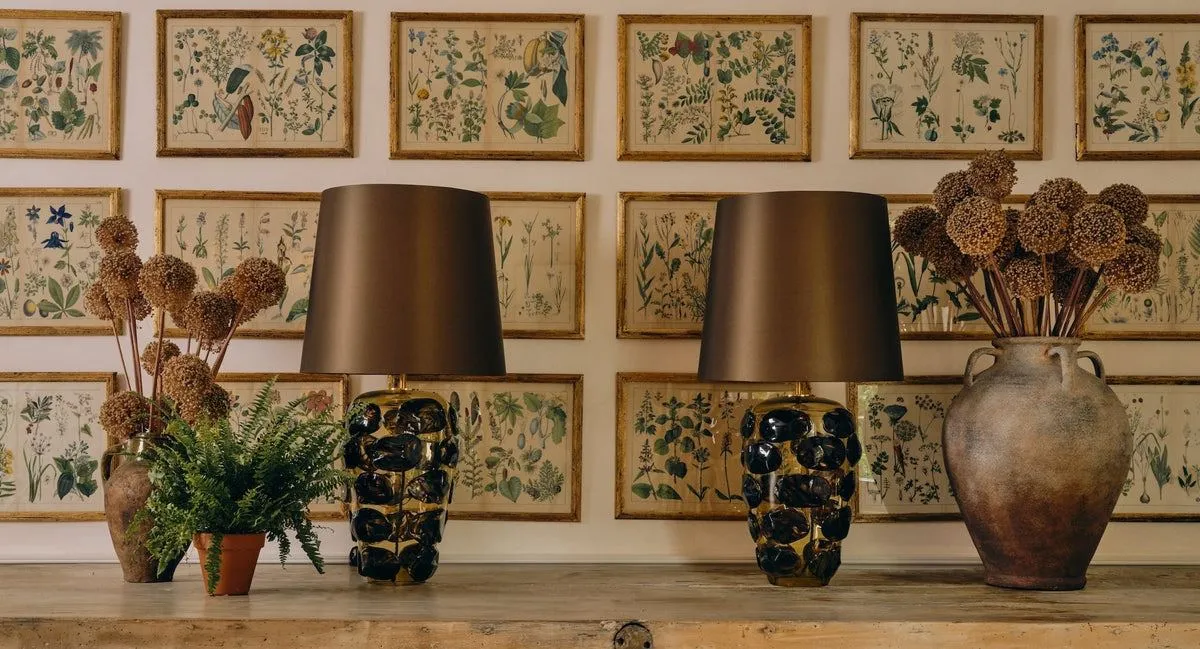
Porta Romana calls its London Design Festival collection Traces, familiar silhouettes reworked, image via Porta RomanaPorta Romana
Lighting · September 2026

Porta Romana calls its London Design Festival collection Traces, familiar silhouettes reworked

Traces is the collection Porta Romana launched at its Design Centre Chelsea Harbour showroom during London Design Festival, described by the brand as shaped by forms that have endured and ideas that have evolved, which the brand glosses as familiar Porta Romana silhouettes reimagined, an evolution of the house classics rather than a clean-sheet range, and the collection page runs to two pages of product, the Apple Lamp from 1,668 pounds, the Florence Wall Light from 1,992 pounds, the Blob Lamp from 2,700 pounds in a long run of glazes including Marmalade, Denim, Basil, Olive, Turquoise and Tuxedo, the Forest Triad Side Table from 3,612 pounds, Bonny and Edith chandeliers, Rose and Jack portable lamps, Brook and Arbour ceramic lamps, Sillides, Marilena, Terrazza and Bosco tables, Stanley counter and bar stools, the Laurel mirror, and a Harding exterior seating and dining range upholstered in Perennials cloth alongside Laurie, Hedera and Etienne exterior lights. The collection image the brand chose is the two-tier Bonny chandelier hung over the large Bosco coffee table and side table, photographed by Laurence Hills, which tells you where they think the story sits, the statement chandelier over a low, heavy table. The reason a working designer cares is that this is the house most of the trade already specifies for the one sculptural lamp a room turns on, and an evolutions-of-the-classics launch means the pieces you have used before now come in the finish or the scale a current job needs, an exterior version, a portable version, a ceramic body, and the prices are on the page in pounds, so it can be budgeted from the desk before a showroom visit.

Fired SteelBlob MarmaladeBlob DenimBlob BasilAntiqued Brass
Chapter V · FurnitureFormPieces with a spineRead the chapter
Khoy strips the folding mechanism out of the sofa bed, image via DezeenDezeen
Furniture · September 2026

Khoy strips the folding mechanism out of the sofa bed

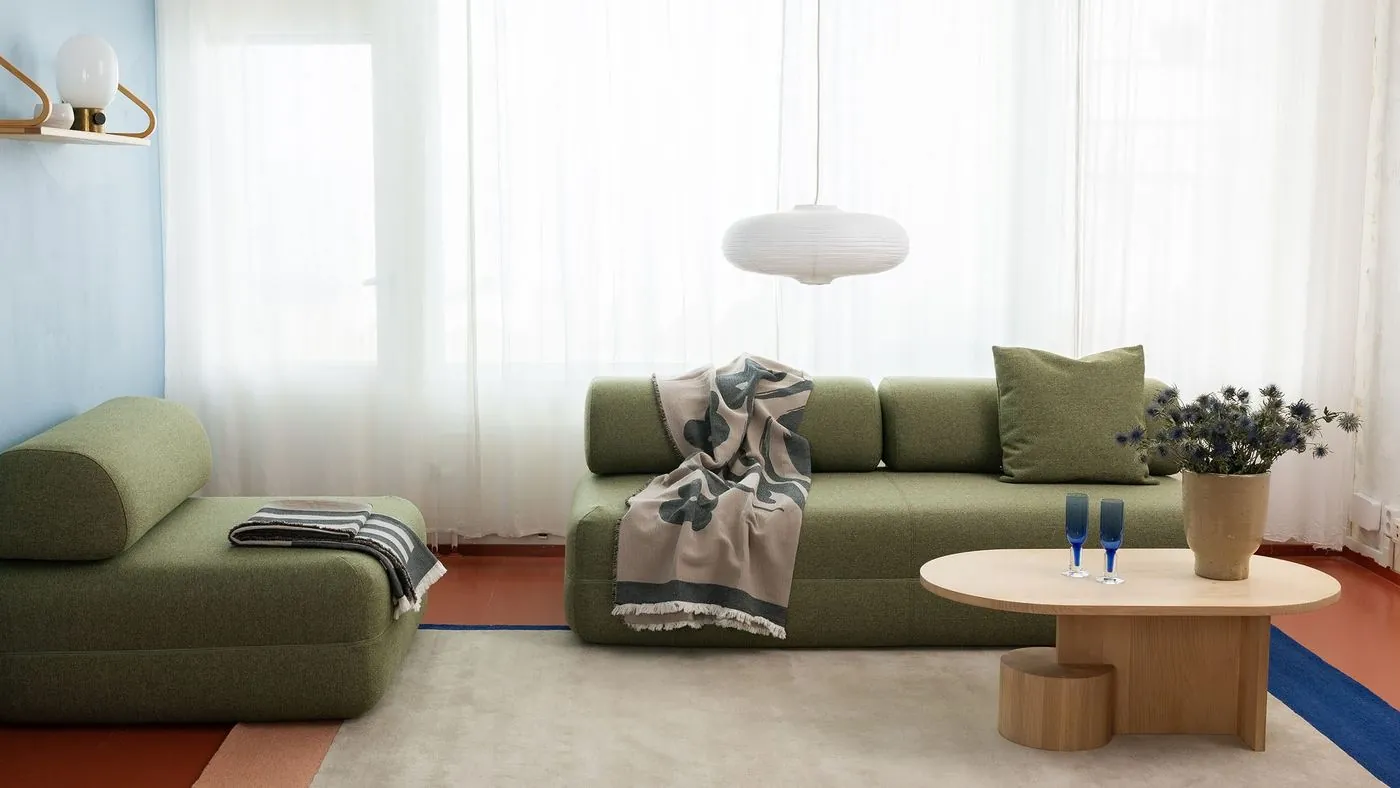
Khoy's flagship sofa bed does away with the usual folding mechanism altogether, two upholstered slabs of polyurethane foam that unzip and open flat like a book into a floor bed, sized single to king and shipped vacuum packed for easier handling up a tight stair or into a lift. Creative director Andras Kelemen's point is the honest one, that a conventional sofa bed is usually uncomfortable as one thing or the other because the hardware dictates the silhouette, which makes this worth knowing about for a guest room, studio flat or granny annexe brief where the client wants a piece that reads as proper furniture first and only confesses to being a bed when asked, in a choice of twelve fabrics running from soft neutrals to terracotta and ocean blue.

Soft BeigeChanterelle YellowTerracotta BrownOlive GreenOcean Blue
Sebastian Herkner makes Tubes a radiator out of Impruneta terracotta, image via DezeenDezeen Furniture

Sebastian Herkner makes Tubes a radiator out of Impruneta terracotta

Terre is the Italian heating brand Tubes' first radiator in terracotta, designed by Sebastian Herkner from the clay of the Impruneta quarry in Tuscany, and the clay is the structural body rather than a finish applied over metal, extruded through a special mould into one continuous vertical form of 1120 by 140 by 1400 millimetres, fired and glazed in five glossy options, Transparent Glazed Terracotta, Vitreous White, Bark Brown, Mineral Grey and Ocean Blue, with an integrated electric element in recycled aluminium and two accessories, a marble or lacquered shelf and a metal towel rail.

Chapter VI · Talking pointTalkWhat the trade is saying
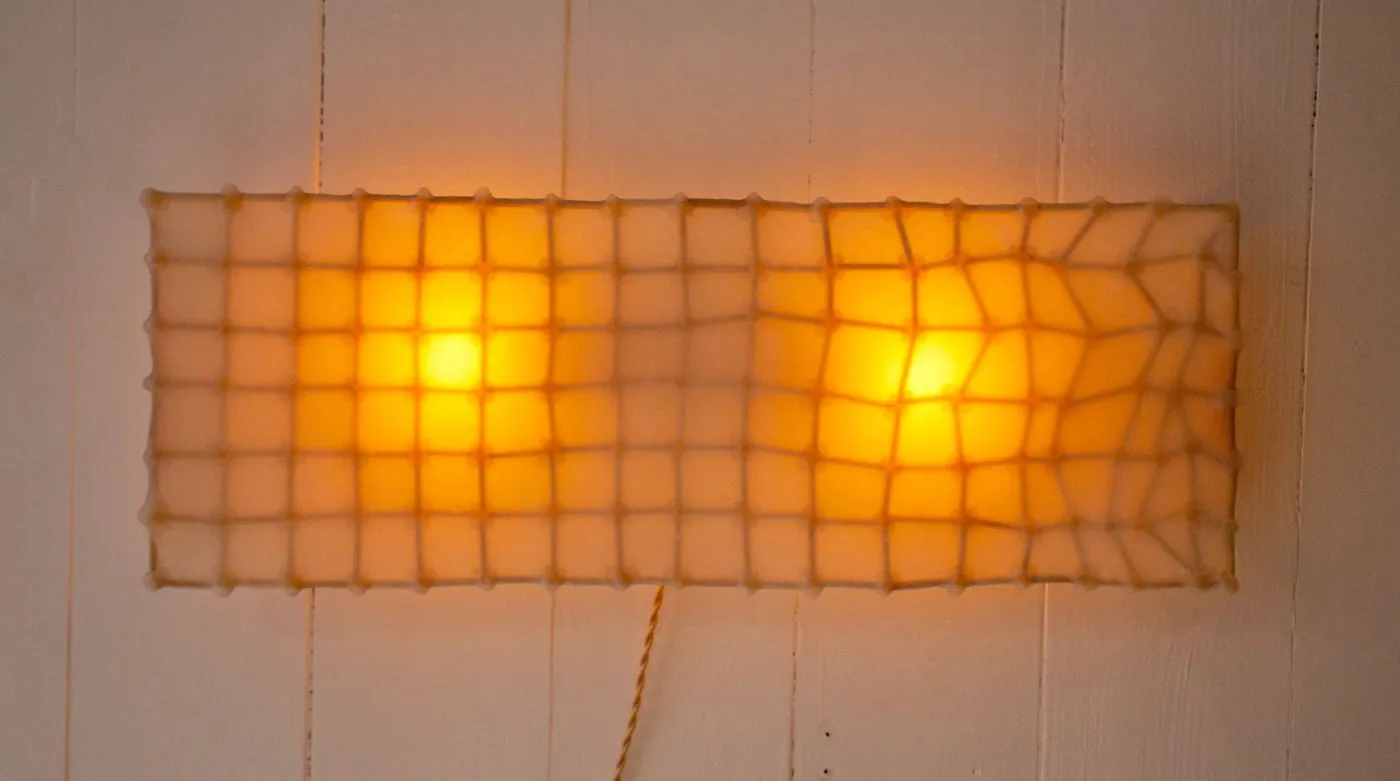
Seven London Design Festival pieces are built from what the workshop usually throws away, image via DezeenDezeen
Trend · September 2026

Seven London Design Festival pieces are built from what the workshop usually throws away

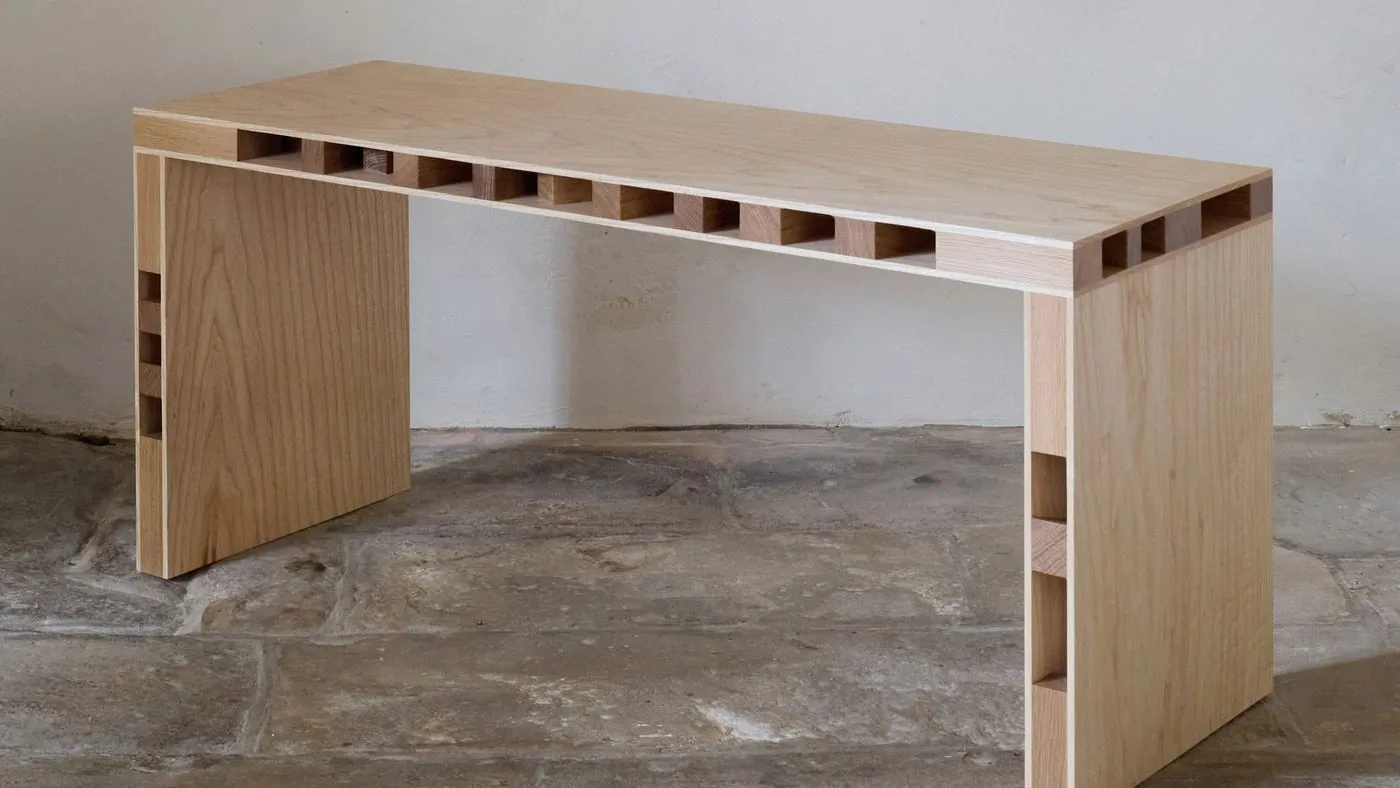
Dezeen's own edit of seven London Design Festival pieces gathers objects built entirely from offcuts and workshop scraps: Lewis Duckworth laminates leftover timber ends into the single-plank Dagwood Bench, Tom Golland bolts walnut and white oak offcuts together with zinc-plated steel for a tall Tissue Box, Audra Grays and Maxim Lester build the Fused sconces from glass offcuts, scrap metal and old LED strips, Carsten in der Elst carves a monolithic chair from quarry offcasts in the Graywacke Offcut series, and Duy Huynh, Oscar Warman and Spared each reassemble reclaimed timber, salvaged shelving or workshop sawdust into a coat rack, chair and collectible object. The transferable read for a working spec is that offcut-led design has moved past eco-virtue box-ticking into pieces genuinely worth commissioning on their own merits, so a joinery run's leftover ends or a stoneyard's waste slab is now a legitimate source for a one-off bench, sconce or coat rack rather than a skip-bound line item.

Workshop OakLaminate UmberZinc Bolt GreySawdust FawnQuarry Stone
Twelve names who do not usually make lighting take on the Murano chandelier, image via Wallpaper*Wallpaper* Talking point

Twelve names who do not usually make lighting take on the Murano chandelier

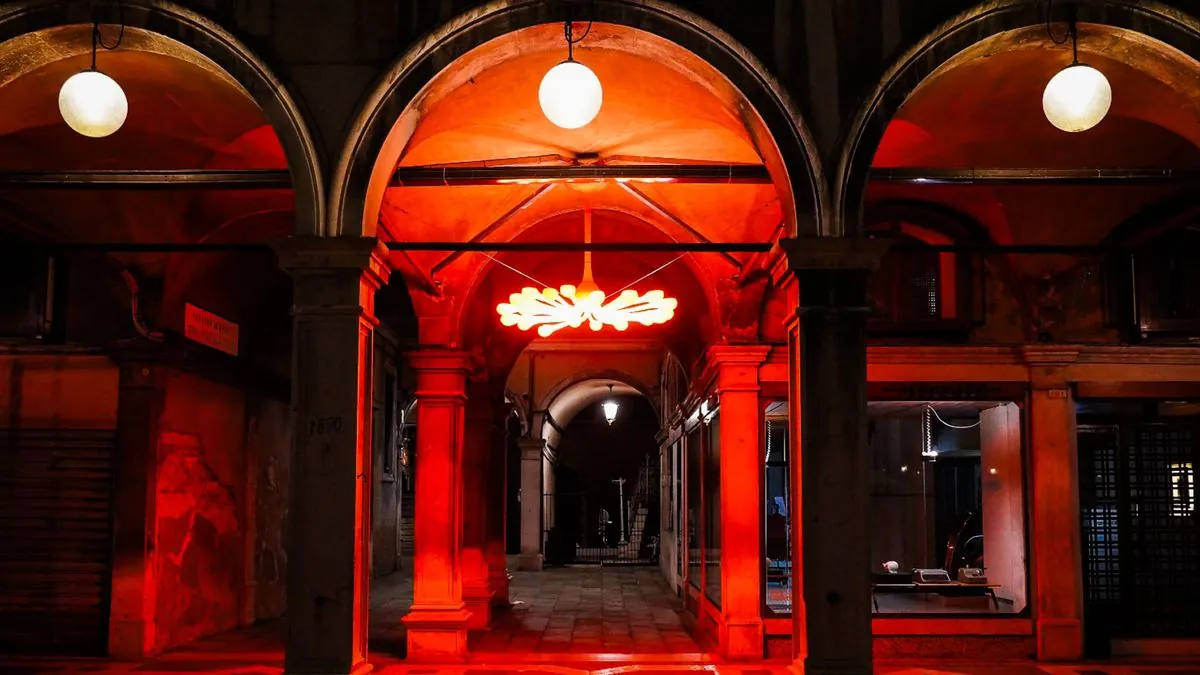
Venice Glass Week's headline show, Murano Illumina il Mondo, fills St Mark's Square with twelve chandeliers made by names who do not normally touch lighting, each paired with a Murano furnace and on view until 1 November: architect Norman Foster's Hydra for Salviati spreads twenty frosted-glass arms using the Rigadin technique, artist Cerith Wyn Evans threads neon through Idea Murano's glass for G=A=R=L=A=N=D, and designer Bethan Laura Wood works barrel-shaped filigree into Taiko with Gambaro and Tagliapietra, alongside nine further furnace pairings running from Componenti Dona to Seguso Gianni.

A home for designers

Makers worth knowing

Independent and emerging talent from around the world, chosen for The Edit. Every one links to their studio.

The back issues

Every issue

Newest on the left. Drag, swipe or use the arrows, and use the arrow keys to turn the page.

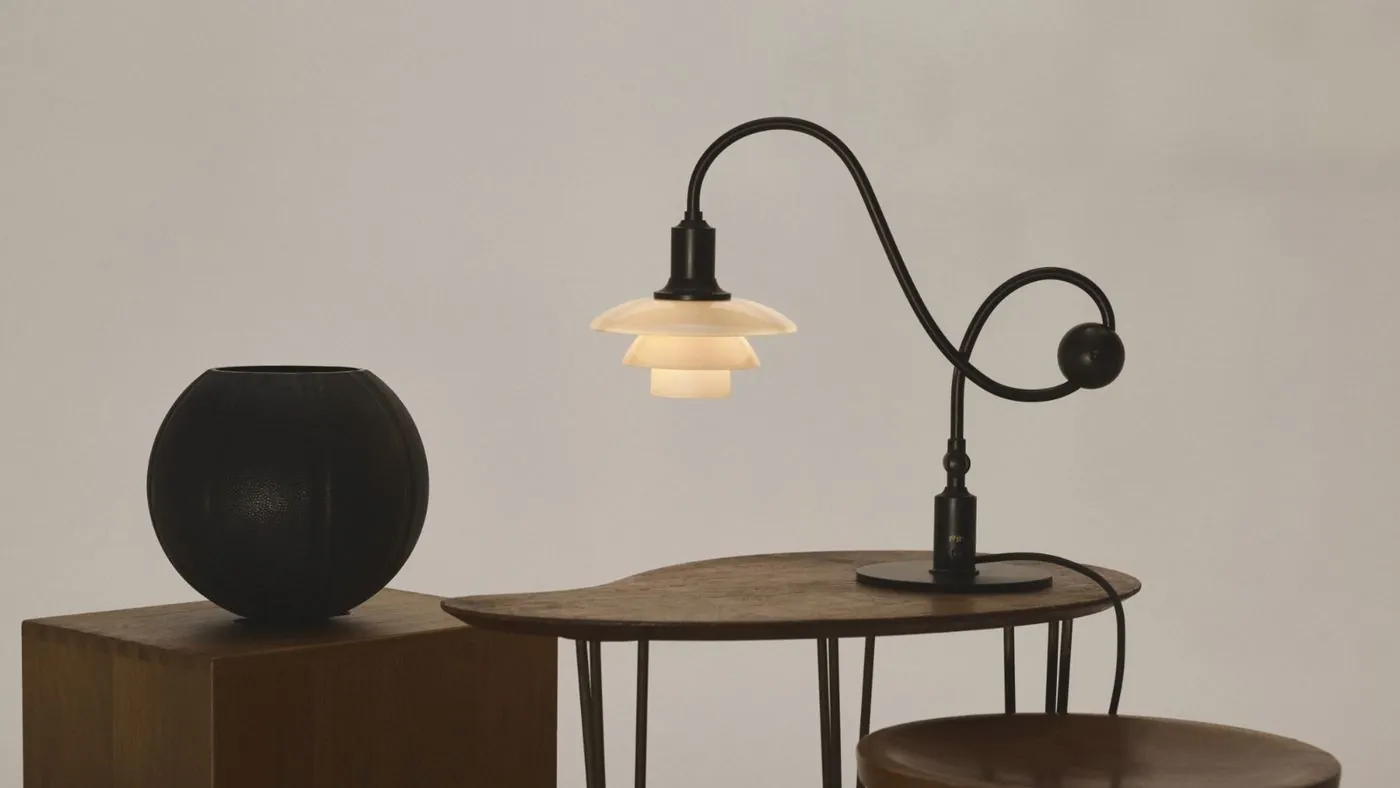
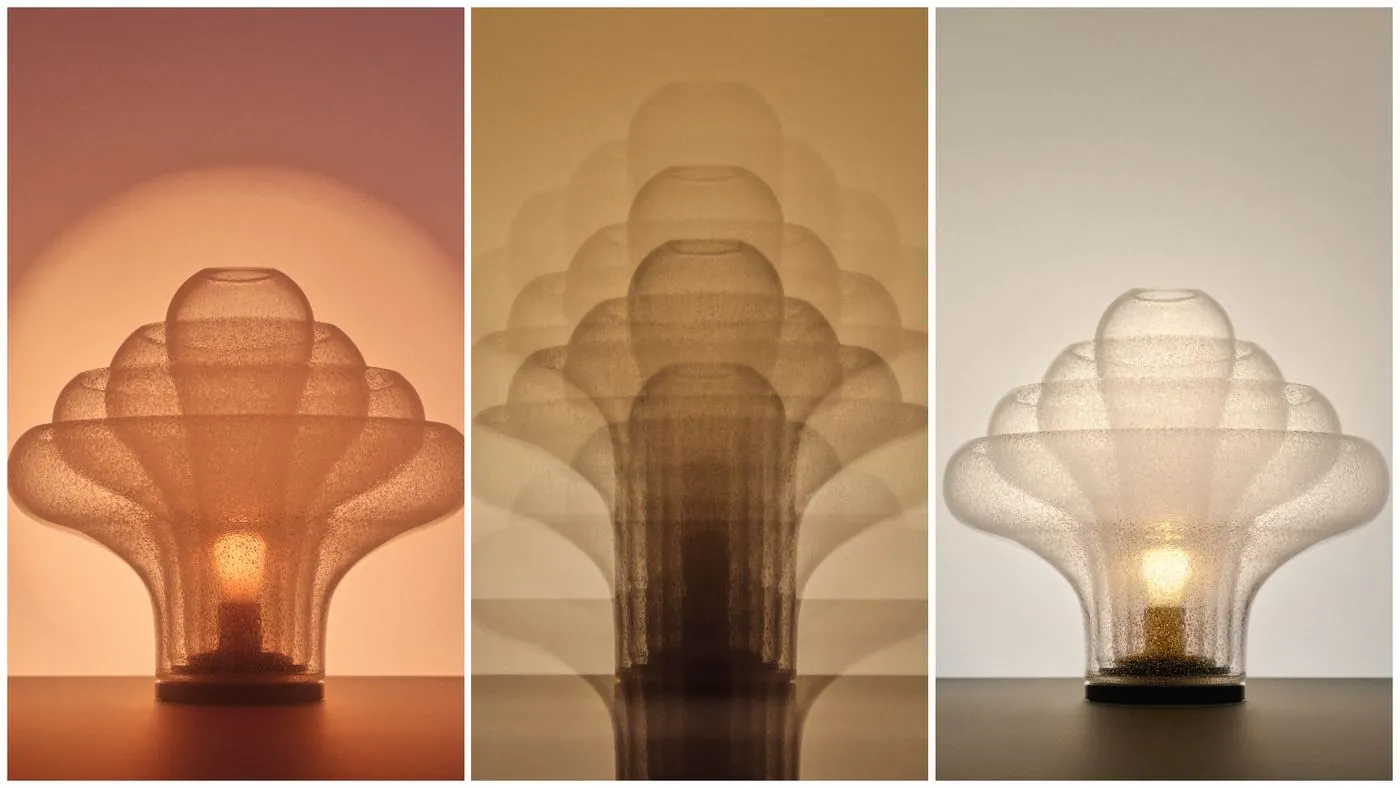
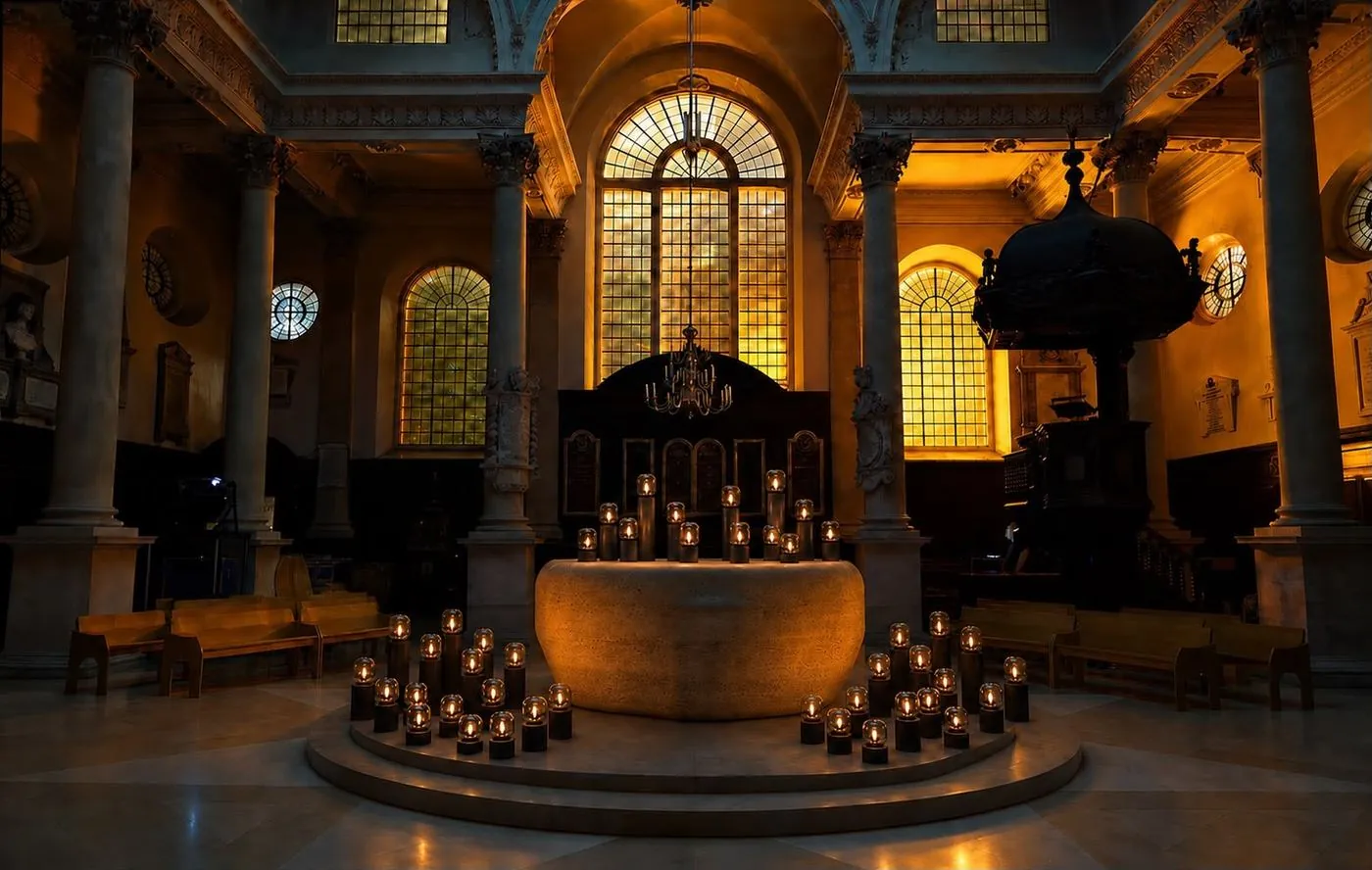
THE EDITNo. 1512 October 2026 · 8 storiesA 1931 lamp returns, Anastassiades moves to Flos, Apparatus tells a fable, and a forest goes on the wall.THE EDITNo. 145 October 2026 · 8 storiesGubi brings back Carlo Nason's 1969 Lotus lamp in mouth-blown glassTHE EDITNo. 1328 September 2026 · 8 storiesStudio Waldemeyer swaps the flame for patented electronics in Lumeable, its rechargeable candlelightTHE EDITNo. 1221 September 2026 · 11 storiesSeven London Design Festival pieces are built from what the workshop usually throws awayTHE EDITNo. 1114 September 2026 · 12 storiesCollate Lobby opens a curated designer platform inside a fictional 1930s hotel suiteTHE EDITNo. 107 September 2026 · 18 storiesFaye Toogood crumples paper into Johnny, a family of lanterns on a wrought iron skeletonTHE EDITNo. 0931 August 2026 · 16 storiesArte cuts, stitches and embroiders leather into its spring 2026 wallcoveringsTHE EDITNo. 0824 August 2026 · 17 storiesThe Vault Creative turns a collector's found objects into its first wallpaperTHE EDITNo. 0717 August 2026 · 18 storiesMichele De Lucchi takes the creative reins at Triennale MilanoTHE EDITNo. 0610 August 2026 · 18 storiesPaul Montgomery turns Odilon Redon's Domecy panels into a mural collectionTHE EDITNo. 053 August 2026 · 8 storiesKoket's Women of Art Deco is a 38-piece answer to the client who asks for glamourTHE EDITNo. 0427 July 2026 · 11 storiesBlue Green Works sculpts an emotional lighting collection in Murano glassTHE EDITNo. 0320 July 2026 · 17 storiesHouse of Hackney goes UNTAMED with a hand-drawn animal-print collectionTHE EDITNo. 0213 July 2026 · 10 storiesWallpaper*'s June Design Drop: craft heritage meets flat-packTHE EDITNo. 016 July 2026 · 24 storiesZoffany and Michael S. Smith take the archive outdoors with 13 performance designs